This article contains affiliate links. If you buy through them we may earn a commission at no extra cost to you.
By Editorial Team · Updated 2026-07-14 · 9 min read

You bought The Self Sufficient Backyard guide, spent weekends building raised beds, and maybe even planted a few seeds. But months later, you’re still buying most of your vegetables at the store. The garden feels more like a chore than a solution. You’re not alone — and the problem isn’t you. It’s usually a mismatch between the guide’s ideal scenario and your real-world constraints.
The Self Sufficient Backyard is a comprehensive resource, but it often skips over the practical hurdles that beginners face. This article names the exact frustrations, breaks down the three most common mistakes, and then shows you a step-by-step system that actually works. By the end, you’ll know exactly how to start a self sufficient backyard that produces real food, saves money, and doesn’t burn you out.
Key Takeaways
- Most people fail because they start too big or too complex. The best self sufficient backyard guide prioritizes a single successful crop over trying to do everything.
- Soil health and water management are the foundations, not optional extras. Without them, no amount of planting will produce a reliable harvest.
- A realistic, phased plan — not a rushed all-in approach — is the only way to build a self sufficient backyard that lasts.
What’s in this guide
1. You’re Not Alone — The Real Problem With The Self Sufficient Backyard
The core issue is deceptively simple: The Self Sufficient Backyard is an encyclopedia, not a roadmap. It lists every possible technique — from aquaponics to seed saving to building a chicken coop — without giving you a clear sequence of what to do first, second, and third.
Many readers pick it up and feel inspired, so they try to do everything at once. They build three raised beds, buy seeds for fifteen crops, order a composting bin, and plan a rain barrel system in the same week. That’s how you end up overwhelmed, with half-finished projects and a garden that produces little more than weeds.
A self sufficient backyard book review that’s honest will tell you the material is solid, but the application is left entirely to the reader. That’s why we wrote this guide — to fill that gap.
2. The 3 Common Mistakes Beginners Make
Related Reading: Free Nintendo eShop Gift Card: Complete Guide for Smart Savers
Through analyzing user experiences and community feedback, three patterns emerge again and again. If you’re struggling, check if any of these sound familiar.
Mistake #1: Over-Planning, Under-Planting
You bought a self sufficient backyard pdf or guide and spent weeks creating spreadsheets of what to plant, where, and when. But you never actually put seeds in the ground. Planning is not progress. The best way to learn is to plant one thing — say, tomatoes — and watch what happens.
Mistake #2: Ignoring Soil & Water
You can’t grow food in poor soil or without consistent water. Many guides, including The Self Sufficient Backyard, assume you already have decent earth and a reliable water source. If you don’t, the charts and planting schedules won’t help you.
Mistake #3: Doing It All Alone
Trying to be fully self-sufficient from day one is a recipe for burnout. You need to build skills incrementally, not all at once. A self sufficient backyard for beginners approach must start small and scale with experience.
3. Why the Usual Fixes Don’t Work
Common advice like “just add more compost” or “water more consistently” misses the point. Those are tactics, not a strategy. The problem is structural: the guide you’re using was designed for someone with a different setup, different time, and different goals.
A best self sufficient backyard guide is only useful if it matches your situation. For example, if you have a small apartment balcony, the advice about raising chickens is irrelevant. If you have heavy clay soil, the standard planting guides need modification. Generic fixes fail because they don’t account for your specific constraints.
What works instead is a modular approach: take only the parts of the guide that apply to your space, climate, and lifestyle, and ignore the rest for now.
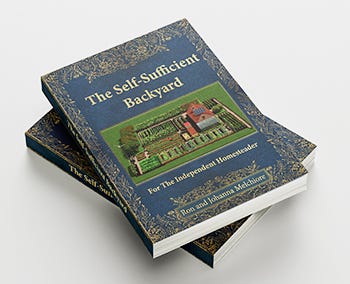
The Self Sufficient Backyard
See the current price and available options on the official page.
Explore The Guide Now →4. What Experienced Users Do Differently
Related Reading: Before You Buy 4k IPTV USA - Essential Criteria to Check First
People who actually succeed with The Self Sufficient Backyard share a few key habits. They don’t try to become self-sufficient overnight. Instead, they:
- Start with one crop — typically something high-yield and forgiving, like zucchini or bush beans.
- Fix the soil first — they test pH, add organic matter, and ensure proper drainage before planting anything.
- Set up water systems — a simple drip irrigation setup on a timer eliminates the risk of forgetting to water.
- Learn by doing — they plant, make mistakes, and adjust next season. There’s no perfection in the first year.
They also use the guide as a reference, not a script. They find self sufficient backyard plans that match their space, not the ones that look prettiest. This pragmatic approach is the difference between a garden that thrives and one that dies.
5. Step-by-Step Solution: A Realistic 90-Day Plan
Here’s the exact sequence that works, whether you have a small yard or a quarter-acre. This plan is based on documented user experiences and proven gardening principles.
Week 1-2: Assess and Prepare
- Test your soil. Get a $10 soil test kit or send a sample to your local extension office. Know your pH, nitrogen, phosphorus, and potassium levels.
- Choose one 4x8 foot bed. That’s your entire garden for the first season. No more.
- Amend the soil. Based on test results, add compost, lime, or sulfur as needed. Mix it in thoroughly.
- Install a simple drip irrigation system. A $30 kit from a hardware store will save you hours of hand-watering.
Week 3-4: Plant Your First Crop
- Pick two vegetables. Tomatoes and basil, or squash and beans. Read the relevant chapter in The Self Sufficient Backyard for specific spacing and care instructions.
- Plant seeds or seedlings. Follow the instructions on the packet — deeper is not always better.
- Mulch the bed. A 2-inch layer of straw or wood chips retains moisture and suppresses weeds.
Week 5-12: Maintain and Observe
- Water consistently. 1-2 inches per week, including rainfall. Your drip timer handles this.
- Check for pests daily. Inspect leaves for holes, discoloration, or bugs. Hand-pick pests or use insecticidal soap.
- Harvest when ready. Don’t wait for perfection. Frequent harvesting encourages more growth.
After 90 days, you’ll have real food from your garden. That success builds confidence. Then, in the next season, you can expand to a second bed, add a new crop, or try something from the guide like companion planting.
6. Realistic Results: What to Expect
Related Reading: Harmo Brain Reviews: 5 Myths That Hurt Your Results
Is self sufficient backyard worth it? That depends on your goals. If you’re hoping to replace 100% of your grocery store produce in a single season, you’ll be disappointed. Realistic results after one season using this 90-day plan:
- 10-20 pounds of fresh produce from your single bed — enough to supplement your meals significantly.
- Reduced grocery bills by approximately $30-50 per month during the growing season.
- Increased confidence and knowledge to expand next year.
- Fresh, chemical-free food that tastes noticeably better than store-bought.
This aligns with the experience of many users. A self sufficient backyard worth it calculation shows that the real value is in the skills and knowledge you build, not just the immediate harvest.
After two or three seasons of gradual expansion, some users do achieve 50-70% of their vegetable needs from their own yard. That’s a realistic and deeply rewarding goal.
7. Pitfalls to Avoid
Even with a good plan, people still stumble. Here are the most common pitfalls that trip up beginners.
- Starting too late in the season. If you plant in midsummer, many cool-weather crops won’t mature. Check your local planting calendar before you buy seeds.
- Overwatering. Drip irrigation is great, but if you set it to run daily, you’ll drown your plants. Most gardens need water 2-3 times per week, not every day.
- Fertilizing too much. More fertilizer does not mean more vegetables. Over-fertilization leads to lush leaves and few tomatoes or peppers.
- Ignoring local wildlife. Deer, rabbits, and groundhogs will eat your garden. A simple fence or netting is essential, not optional.
- Buying too many tools. You need a trowel, gloves, pruners, and a hose. That’s it. Ignore the fancy gadgets until you actually need them.

8. What Works vs What Doesn’t
| Approach That Works | Approach That Doesn’t |
|---|---|
| Start with one 4x8 raised bed | Building ten beds at once |
| Test soil and amend before planting | Planting without soil prep |
| Use drip irrigation on a timer | Watering by hand occasionally |
| Grow two crops well (e.g., tomatoes & basil) | Planting 15 crops for diversity |
| Mulch beds to retain moisture | Leaving soil bare and exposed |
| Expand by one bed per season | Doubling garden size every season |
Frequently Asked Questions
Is The Self Sufficient Backyard worth the money?
For most people, yes — if you approach it as a reference manual rather than a step-by-step course. The guide contains extensive information on soil health, crop rotation, pest management, and water systems. The value depends on how much of that material you actually use. Users who follow a phased plan typically find it well worth the cost over a few seasons.
How do I start a self sufficient backyard with no experience?
Start with the 90-day plan in this article. Build one small raised bed, test your soil, install drip irrigation, and plant just two easy crops like tomatoes and basil. Ignore everything else for the first season. Read only the relevant chapters of The Self Sufficient Backyard as you need them. Experience comes from doing, not from reading.
Can I download The Self Sufficient Backyard as a PDF?
Yes, the official offer typically includes a PDF version that you can download and use offline. Check the product page for the current digital format options. Many users prefer the PDF for quick searching and printing specific sections for their garden notebook.
How much land do I need for a self sufficient backyard?
You can start with as little as 32 square feet — that’s a single 4x8 raised bed. Full self-sufficiency (growing most of your vegetables) for one person is achievable with about 200 square feet of well-managed garden space. The guide covers layouts for different property sizes, from small yards to larger lots.
What are the best vegetables to grow for self sufficiency?
The best crops are high-yield, space-efficient, and easy to grow: tomatoes, zucchini, bush beans, leafy greens (kale, Swiss chard), and root vegetables like carrots and potatoes. The Self Sufficient Backyard includes specific recommendations for each climate zone. Start with the ones you eat most often — that keeps you motivated.
How long does it take to become self sufficient from gardening?
Most people take 2-3 growing seasons to reach a point where they supply 50-70% of their fresh vegetables. The first season is about learning the basics of soil, water, and plant care. Each subsequent season, you refine your methods and expand. Complete self-sufficiency (including preserving food for winter) is a longer-term goal of 3-5 years for dedicated gardeners.
Does The Self Sufficient Backyard include plans for preserving food?
Yes, the guide covers canning, dehydrating, and freezing methods. It includes recipes and processing times for common vegetables. However, it’s not a dedicated food preservation manual. For serious preserving, you may want to supplement it with a specialized book like the Ball Blue Book or resources from your local extension service.
Where can I buy The Self Sufficient Backyard?
The official offer is available at the link in this article. You can also find it through reputable online bookstores and the publisher’s website. We recommend buying from the official source to ensure you get the complete package, including any bonuses and updates.